
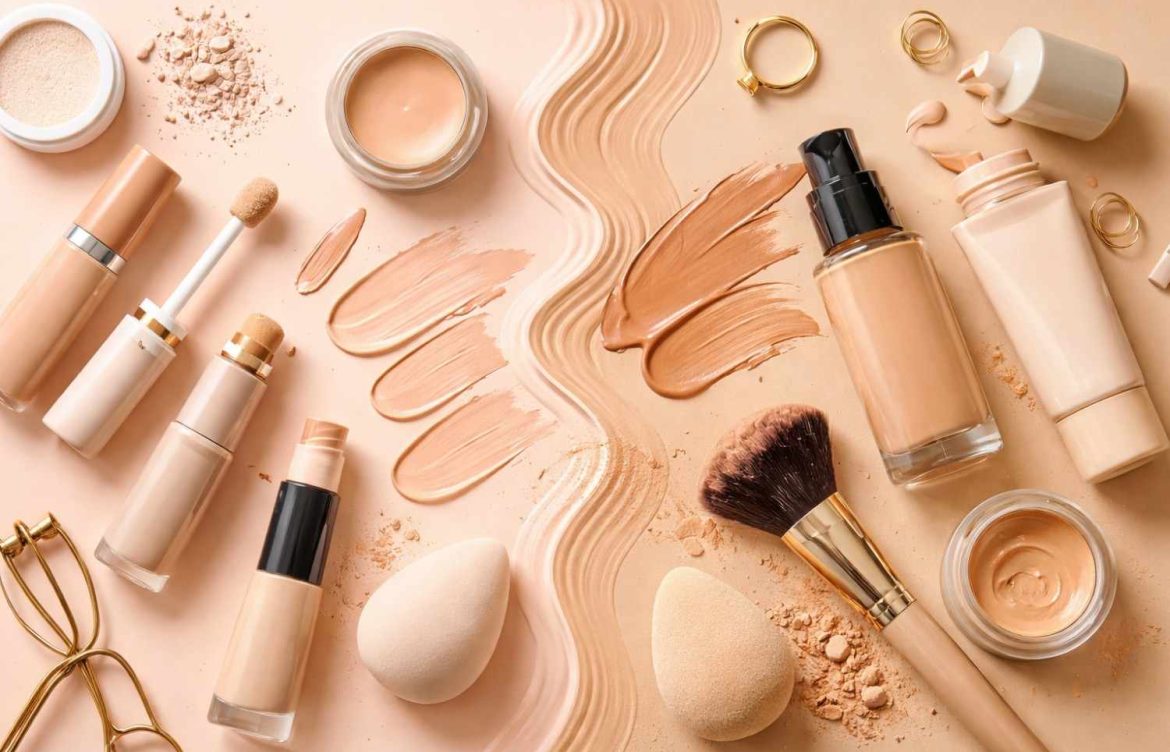
Concealer vs Foundation: What’s the Difference & Which One Do You Really Need?
Imagine standing in front of your mirror, makeup bag open, wondering whether to reach for concealer or foundation or both. You’re not alone. Despite being staples in nearly every makeup routine, these two products are frequently misunderstood, misused, or even pitted against each other as if only one deserves a spot on your vanity. The truth is, concealer vs foundation isn’t a competition, it’s a collaboration. Each serves a unique, non-interchangeable role in creating a polished, natural-looking complexion.
Understanding the difference between concealer and foundation goes beyond texture or shade. It involves knowing how they interact with your skin type, how they layer, what level of correction they offer, and when one might suffice over the other. Whether you’re building a minimalist daily routine, managing oily or dry skin, or just starting your makeup journey, this guide will clarify exactly what each product does and which one (or both) you truly need.
What Is Foundation? Purpose, Coverage & Uses Explained
Foundation is a base makeup product designed to create an even canvas across the entire face. It evens out general skin tone, minimizes redness, and provides uniform coverage. Available in liquid, cream, powder, and stick forms, foundation typically offers light to full coverage and is formulated to match your natural skin shade as closely as possible.
Its primary role is not to hide specific imperfections but to unify the complexion, making it the first step in most full-face makeup routines.
What Is Concealer? Meaning, Uses & Coverage Power
Concealer is a targeted corrective product used to cover localized concerns such as dark circles, blemishes, redness, or hyperpigmentation. It is usually thicker, more pigmented, and more opaque than foundation. Concealers come in various undertones (peach for dark circles, green for redness, etc.) and are applied only where needed not all over the face.
Because of its high concentration of pigment, concealer delivers intense coverage in small areas, making it ideal for precision work rather than broad application.
Concealer vs Foundation: Key Differences Explained
To clarify the difference between concealer and foundation, let’s compare them across critical factors like purpose, texture, coverage, and usage.
Below is a detailed comparison highlighting how concealer and foundation differ in formulation, function, and best-use scenarios to help you decide concealer vs foundation which is better for your needs.
| Feature | Foundation | Concealer |
| Primary Purpose | Even out overall skin tone | Cover specific imperfections |
| Coverage Level | Light to full (varies by formula) | Medium to full (often more opaque) |
| Texture | Lightweight, blendable | Thicker, more concentrated |
| Application Area | Entire face | Targeted spots (under eyes, blemishes, etc.) |
| Shade Matching | Must match exact skin tone | May require slightly lighter/darker shades for correction |
| Wear Time | Designed for all-day wear | Can crease if not set properly |
| Best For | Daily makeup, full-face looks | Spot correction, brightening under eyes |
This table makes it clear that while both products improve appearance, they are not interchangeable. Choosing concealer or foundation first in your routine depends on your desired outcome not on which is “better.”
Concealer or Foundation First? Correct Application Order
A common point of confusion is whether to apply concealer or foundation first. The answer depends on your skin concerns and the level of coverage you want:
- Foundation first, then concealer: This is the standard method. Apply foundation to create an even base, then use concealer only where extra coverage is needed. This prevents over-application and ensures a natural finish.
- Concealer first (color-correcting): Some professionals apply color-correcting concealer before foundation to neutralize severe discoloration (e.g., deep purple under eyes). However, regular concealers should still go on after foundation for final touch-ups.
For beginners, starting with foundation and adding concealer as needed simplifies the process and avoids a heavy, cakey look.
Can Concealer Replace Foundation for Daily Makeup?
Many wonder, can concealer replace foundation especially for a quick, minimalist routine. Technically, yes, but with caveats.
Using concealer all over the face may seem efficient, but it often leads to:
- Uneven texture due to its thick consistency
- Cakiness, especially in fine lines or pores
- Poor longevity compared to formulas designed for full-face wear
Concealer lacks the skin-like finish and breathable formulation of foundation. While it might work in a pinch for very fair skin with minimal concerns, it’s not a sustainable substitute for daily wear. If you prefer lightweight coverage, opt for a tinted moisturizer or sheer foundation instead.
Concealer vs Foundation Coverage: Which Covers Better?
When evaluating concealer vs foundation coverage, remember that coverage intensity serves different goals:
- Foundation coverage aims for uniformity not perfection. Even full-coverage foundations are meant to look like enhanced skin.
- Concealer coverage aims for correction. It’s designed to fully obscure what lies beneath, offering opacity that foundation rarely matches.
For example, a medium-coverage foundation may blur pores and soften redness, but it won’t fully hide a pimple. That’s where the concealer steps in.
Concealer vs Foundation for Daily Makeup: What Should You Use?
For concealer vs foundation for daily makeup, the ideal approach is often both but minimally.
- If you have clear skin with only minor concerns (like slight under-eye darkness), a lightweight foundation or BB cream with a dab of concealer may suffice.
- If you prefer a bare-faced look, skip foundation and use concealer only on trouble spots.
- Those with consistent redness or uneven tone benefit more from daily foundation, with concealer as a backup.
The goal is enhancement, not masking so tailor your routine to your skin’s actual needs, not trends.
Choosing Concealer vs Foundation Based on Skin Type
Your skin’s behavior dramatically influences how concealer and foundation perform.
Concealer vs Foundation for Oily Skin: Best Formulas
Oily skin demands oil-free, mattifying, and long-wearing formulas.
- Foundation: Look for labels like “matte,” “oil-control,” or “transfer-resistant.” Water-based liquids or pressed powders work best.
- Concealer: Choose a creamy-matte formula that dries down without sliding. Avoid dewy or hydrating concealers; they’ll break down in the T-zone.
- Pro tip: Set concealer under the eyes and on blemishes with a translucent powder to prevent midday shine and migration.
Concealer vs Foundation for Dry Skin: What Works Best?
Dry skin thrives on hydration, emollients, and luminosity.
- Foundation: Opt for serum foundations, hydrating liquids, or cream formulas with ingredients like glycerin, squalane, or ceramides.
- Concealer: Use a moisturizing, liquid concealer with a satin or radiant finish. Avoid matte sticks; they’ll cling to flaky patches.
- Essential step: Always prep with a rich eye cream and facial moisturizer. Let it absorb fully before applying makeup to prevent pilling.
Do I Need Concealer If I Use Foundation? Expert Answer
The question of whether I need concealer if I use foundation depends entirely on your individual skin concerns.
- If your foundation fully covers redness, evens tone, and brightens your under-eyes, you may not need concealer.
- However, most people find that foundation alone doesn’t fully address under-eye darkness, an area that often requires a slightly lighter, brighter shade for optical lifting.
Additionally, blemishes, scars, or age spots often require the extra opacity only concealer provides. Think of foundation as your background actor and concealer as your spotlight performer both contribute, but in different ways.
Concealer vs Foundation for Beginners: Step-by-Step Guide
If you’re new to makeup, start with these principles:
- Match foundation to your jawline in daylight, never your hand or wrist.
- Apply foundation with a damp beauty sponge for a seamless, airbrushed finish.
- Use concealer only where you see visible issues, not as a default step.
- Blend edges thoroughly to avoid harsh lines.
- Set lightly with powder only in oily zones (T-zone, under eyes if prone to creasing).
Avoid the temptation to “cover everything.” Great makeup looks like great skin not a mask.
Final Verdict: Concealer vs Foundation – How to Use Both Correctly
Rather than asking concealer vs foundation which is better, reframe the question: How can these two work together to enhance my natural beauty? Foundation creates harmony; concealer brings focus. Used wisely, they complement each other without competing.
Whether you’re crafting a full glam look or aiming for a fresh, no-makeup makeup finish, understanding their distinct roles empowers you to use them effectively saving time, product, and frustration.
For personalized guidance on selecting the right foundation and concealer for your skin tone, type, and lifestyle, consider consulting a professional makeup artist who prioritizes skin health and natural aesthetics.
Aarti Gaikwad Makeup Artist specializes in custom makeup solutions that balance coverage with skin-friendly techniques, helping clients achieve radiant, long-lasting results without compromising skin integrity.
FAQs: Concealer vs Foundation
What is the main difference between concealer and foundation?
Foundation evens out overall skin tone across the entire face, while concealer is a high-coverage product used to correct specific concerns like dark circles, blemishes, or redness.
Should I apply concealer before or after foundation?
For most routines, apply concealer after foundation, it lets you see what still needs coverage and prevents using too much product.
Can concealers replace foundation for daily makeup?
No, concealer isn’t formulated for full-face wear; using it all over can look heavy, patchy, and may emphasize dryness or oiliness.
Which gives more coverage: concealer or foundation?
Concealer provides more intense, opaque coverage in small areas, whereas foundation offers lighter, more natural-looking coverage across the whole face.
Do I need concealer if I already use foundation?
Not always, but if you have noticeable under-eye darkness, redness, or blemishes that show through your foundation, concealer adds necessary refinement.
Is concealer or foundation better for beginners?
Foundation is better for beginners because it’s easier to apply evenly and creates an instant polished base without requiring precision.
Can I use only foundation without concealer?
Yes, especially if your skin is relatively even-toned and you don’t have prominent under-eye circles or spots that need extra coverage.
Which is better for oily skin: concealer or foundation?
Both are important, but choosing oil-free, matte formulas foundation controls overall shine, while a long-wear, creamy-matte concealer keeps targeted areas from slipping.
Which is better for dry or sensitive skin?
Hydrating liquid or cream foundation works best for dry or sensitive skin, paired with a moisturizing, non-drying concealer to avoid flakiness or irritation.
Can concealer and foundation be used together?
Yes, they’re designed to complement each other: foundation creates a smooth, even canvas, and concealer perfects specific areas for a flawless finish.